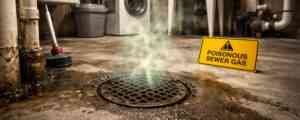
Recognizing the Signs of a Clogged Sewer Drain
How do I know if my sewer drain is clogged? It’s a question many homeowners across Northwest Indiana and the Chicago Southland ask when their plumbing starts acting strange. Unlike a simple clogged sink that’s easy to identify, main sewer line blockages often develop gradually and show up in unexpected ways throughout your home. Knowing what to look for can save you from sewage backups, water damage, and expensive emergency repairs.
At Flotek Sewer & Drain, we’ve spent over 13 years helping property owners identify and resolve sewer problems before they become disasters. Because we specialize exclusively in sewer and drain services, we’ve seen every warning sign imaginable—and we know exactly what each symptom means for your plumbing system. This guide will walk you through the telltale indicators that your main sewer line needs professional attention.
Early Detection Prevents Costly Damage
A clogged sewer drain rarely announces itself with a dramatic backup right away. Instead, it sends subtle warnings that many homeowners overlook until the problem escalates. Recognizing these early signs gives you time to schedule a professional inspection rather than dealing with raw sewage flooding your basement or backing up through floor drains. The difference between catching a clog early and waiting too long can mean thousands of dollars in cleanup and repair costs.
Common Warning Signs Your Sewer Drain Is Clogged
Your home’s plumbing system connects to a main sewer line that carries wastewater away from your property. When this line becomes blocked, it affects multiple fixtures simultaneously—which is the key difference between a localized clog and a main sewer problem. Here are the most reliable indicators that your sewer drain is clogged.
Multiple Slow Drains Throughout Your Home
One slow drain usually means a localized blockage in that specific pipe. However, when several drains in your home start running slowly at the same time, you’re likely dealing with a main sewer line issue. Pay attention if your kitchen sink, bathroom drains, and shower all seem sluggish within the same timeframe. This widespread slowdown indicates that wastewater isn’t flowing freely through your main line.
Gurgling Sounds From Drains and Toilets
Strange gurgling or bubbling noises coming from your drains signal trapped air in your plumbing system. When a sewer line becomes partially blocked, air gets trapped and escapes through the nearest opening—usually a drain or toilet. These sounds often occur when you run water elsewhere in your home, such as hearing your toilet gurgle while the washing machine drains. This is a clear sign that something is obstructing normal water flow in your sewer line.
Sewage Odors Inside or Outside Your Home
A properly functioning sewer system is designed to be airtight, keeping unpleasant odors safely contained. If you notice sewage smells coming from your drains, around floor drains, or even in your yard, it’s a strong indication of a blockage or damage in your sewer line. These odors shouldn’t be ignored—they indicate that gases are escaping from your drainage system, which often happens when waste builds up behind a clog.
Water Backing Up in Unexpected Places
One of the most telling signs of a clogged sewer drain is water appearing where it shouldn’t. You might flush your toilet and notice water rising in your shower drain. Or running your washing machine causes water to back up in a nearby floor drain. These connections happen because all your home’s drains ultimately feed into the same main line. When that line is blocked, water takes the path of least resistance—often emerging through the lowest drains in your home.
Frequent Toilet Clogs
While occasional toilet clogs are normal, frequent backups suggest a deeper problem. If you find yourself reaching for the plunger several times a week, or if multiple toilets in your home are giving you trouble, the issue likely extends beyond the toilet itself. Your main sewer line may have a partial blockage that’s preventing waste from flowing freely.
Changes in Your Lawn
Your yard can reveal clues about underground sewer problems. Look for patches of grass that are unusually green and lush compared to the surrounding lawn—this could indicate a leaking sewer line fertilizing the soil. Soggy areas, indentations in the ground, or standing water near your sewer line’s path are also warning signs. In some cases, you might even notice sewage surfacing in your yard, which requires immediate attention.
What Causes Sewer Drains to Become Clogged?
Understanding what causes sewer blockages helps you recognize why professional diagnosis matters. Several factors can lead to a clogged sewer drain, and identifying the exact cause requires proper diagnostic equipment.
Tree Root Intrusion
Tree roots are among the most common causes of sewer line blockages in Northwest Indiana. Roots naturally seek out moisture and nutrients, and your sewer line provides both. Even small cracks or loose joints in older pipes give roots an entry point. Once inside, they grow rapidly, catching debris and eventually blocking the entire line. Properties with mature trees near the sewer line are particularly susceptible to this problem.
Grease and Debris Buildup
Over time, grease, soap residue, hair, and other debris accumulate along the walls of your sewer pipe. This buildup gradually narrows the pipe’s diameter, restricting water flow. Eventually, the accumulated material creates a complete blockage. Homes with older cast iron or clay pipes are especially prone to buildup because their rougher interior surfaces catch debris more easily.
Pipe Damage or Collapse
Aging sewer pipes can crack, corrode, or collapse—particularly the clay and cast iron pipes found in many older homes throughout the region. Shifting soil, ground settling, and freeze-thaw cycles common in Indiana winters all contribute to pipe deterioration. A damaged pipe creates a bottleneck where waste accumulates, leading to frequent clogs and backups.
Foreign Objects
Items that shouldn’t go down the drain sometimes end up there anyway. Feminine hygiene products, wipes marketed as “flushable,” paper towels, and children’s toys are common culprits. These objects don’t break down like toilet paper and can lodge in your sewer line, creating or worsening blockages.
Why Accurate Diagnosis Matters
When you’re dealing with a potential sewer clog, guessing at the cause leads to wasted money and recurring problems. A blockage caused by tree roots requires different treatment than one caused by grease buildup or a collapsed pipe. Without seeing inside the line, even experienced technicians can only make educated guesses.
This is where sewer camera inspection technology becomes invaluable. A high-definition camera inserted into your sewer line provides real-time video of exactly what’s happening inside your pipes. This allows technicians to identify the precise location and cause of the blockage, whether it’s roots, debris, damage, or something else entirely. With this information, the right solution can be applied the first time, saving you from repeated service calls and temporary fixes that don’t address the underlying problem.
When to Call a Professional
If you’re experiencing any combination of the warning signs described above, it’s time to schedule a professional inspection. Waiting often allows the problem to worsen, potentially leading to complete backups, sewage contamination, and property damage. Early intervention typically means simpler, less expensive solutions.
You should contact a sewer specialist immediately if you notice sewage backing up through floor drains or toilets, persistent sewage odors that won’t go away, or multiple fixtures affected simultaneously. These situations indicate an active blockage that needs prompt attention.
Protect Your Home With Expert Sewer Diagnostics
Knowing how to identify a clogged sewer drain is the first step toward protecting your property. The warning signs—slow drains, gurgling sounds, foul odors, and water backing up in unexpected places—all point to a problem that requires professional diagnosis and repair.
Flotek Sewer & Drain has the advanced diagnostic equipment and specialized expertise to identify exactly what’s causing your sewer problems. Our team serves homeowners and businesses throughout Northwest Indiana and the Chicago Southland, providing accurate assessments and long-term solutions that prevent recurring issues. If you’re noticing warning signs of a clogged sewer drain, don’t wait for a complete backup. Contact our team to schedule an inspection and get answers about what’s happening in your sewer line. Explore our full range of sewer and drain services to learn how we can help keep your plumbing system flowing smoothly.