Why Your Kitchen Sink Keeps Getting Clogged
You rinse a few plates after dinner, run the water for a moment, and everything seems fine. But over time, you start to notice the water draining more slowly. Eventually, you’re standing in front of a sink full of murky water that refuses to go anywhere. If this sounds familiar, you’re not alone. Many homeowners experience recurring drain problems without realizing that everyday habits are often the cause. Understanding what not to put down a sink drain can help you avoid these frustrating situations and keep your plumbing functioning properly for years to come.
At Flotek Sewer & Drain, we’ve spent over a decade helping homeowners and businesses across Northwest Indiana and the Chicago Southland region deal with clogged drains and damaged pipes. One thing we’ve learned is that most drain problems are preventable. The key is knowing which substances and materials cause trouble and making small changes to your daily routine. This guide covers the most common culprits behind drain blockages, explains why certain items are so harmful to your plumbing, and offers practical tips to help you protect your home’s drainage system.
Grease, Fats, and Cooking Oils: The Hidden Drain Destroyers
If there’s one category of kitchen waste that causes more drain problems than any other, it’s grease. Cooking oils, bacon fat, butter, and other greasy substances may seem harmless when they’re hot and liquid, but they cause serious issues once they cool down inside your pipes. As grease travels through your drain, it begins to solidify and coat the interior walls of your plumbing. Over time, this grease buildup narrows the pipe opening, restricting water flow and trapping other debris that passes through.
Many homeowners assume that running hot water while pouring grease down the drain will prevent problems. Unfortunately, this approach rarely works. While hot water may keep the grease liquid long enough to clear your immediate drain line, the grease eventually cools further down in your plumbing system, often in the main sewer line where it’s much harder to address. The result is a stubborn blockage that may require professional drain cleaning to resolve.
A better approach is to let cooking grease cool and solidify, then scrape it into the trash. For larger amounts of oil, consider keeping a designated container to collect used cooking oil until it’s full enough to dispose of properly. Some communities even offer cooking oil recycling programs, which is an environmentally friendly option worth exploring.
Coffee Grounds and Their Surprising Impact on Pipes
Coffee grounds are another common item that homeowners frequently rinse down the sink without a second thought. After all, they’re small, organic, and seem like they should break down easily. In reality, coffee grounds are one of the more problematic substances for drain systems. Unlike food particles that dissolve or break apart in water, coffee grounds tend to clump together and accumulate in pipe bends and low points.
When coffee grounds mix with grease or soap residue already present in your pipes, they can form a thick, sludgy mass that’s difficult to clear. This combination often leads to a clogged kitchen drain that seems to come out of nowhere. The solution is simple: dispose of coffee grounds in the trash or add them to a compost bin if you garden. Many plants benefit from the nitrogen content in used coffee grounds, making this a win for both your plumbing and your yard.
Eggshells, Pasta, and Starchy Foods
There’s a persistent myth that eggshells help sharpen garbage disposal blades. In reality, garbage disposal units don’t have blades in the traditional sense—they use impellers to grind food waste against a stationary ring. Eggshells don’t sharpen anything. Instead, the thin membrane inside the shell can wrap around the disposal’s grinding components, while the shell fragments themselves can accumulate in pipes and contribute to blockages.
Starchy foods like pasta, rice, and bread present their own set of problems. These items absorb water and expand, even after they’ve been cooked and cooled. When pasta or rice enters your drain, it continues to swell as it sits in standing water within your pipes. This expansion can turn a minor accumulation into a significant obstruction. Additionally, starchy residue creates a sticky coating inside pipes that traps other debris passing through.
Flour is another starchy substance that often ends up in drains, typically when homeowners clean up after baking. When flour mixes with water, it forms a paste-like consistency that can coat pipe walls and harden over time. Rather than rinsing flour-covered utensils directly in the sink, wipe off excess flour with a paper towel first.
Fibrous Vegetables and Fruit Peels
Celery, asparagus, artichokes, corn husks, and onion skins share a common characteristic: stringy, fibrous material that can wrap around garbage disposal components and accumulate in drain pipes. These tough vegetable fibers don’t break down easily during the grinding process, and the long strands can tangle together to form obstructions.
Fruit peels, particularly from bananas and citrus fruits, are similarly problematic. While some homeowners put citrus peels in the disposal to freshen the drain with a pleasant scent, the tough outer skin can be difficult for the disposal to process completely. Banana peels are even worse due to their fibrous nature and tendency to wrap around disposal mechanisms.
Composting these vegetable and fruit scraps is a much better option for your plumbing and the environment. If composting isn’t practical for your household, simply tossing these items in the trash will help you avoid potential drain blockage causes that could require professional attention.
Chemical Drain Cleaners: A Temporary Fix That May Cause Permanent Damage
When faced with a slow drain, many homeowners reach for chemical drain cleaners as a quick solution. While these products can sometimes clear minor clogs, they come with significant drawbacks that are worth considering. The harsh chemicals in these cleaners—typically sodium hydroxide or sulfuric acid—work by generating heat and dissolving organic material. However, this same chemical reaction can damage your pipes over time.
Older homes with metal pipes are particularly vulnerable to pipe corrosion caused by repeated exposure to chemical drain cleaners. Even modern PVC pipes can be weakened by the intense heat these products generate. Additionally, chemical cleaners often provide only a temporary fix, creating a narrow channel through the clog rather than fully removing it. The result is a drain that clogs again within weeks or months.
For minor clogs, a plunger or a hand-cranked drain snake is often more effective and far gentler on your plumbing. For persistent or recurring problems, professional drain cleaning using mechanical methods or hydro-jetting tends to provide longer-lasting results without the risk of chemical damage to your pipes.
Items That Should Never Go Down Any Drain
Beyond the kitchen-specific items mentioned above, several categories of waste should never enter any drain in your home, whether it’s the kitchen sink, bathroom sink, shower, or toilet. Understanding what not to put down a sink drain—or any drain—can help you avoid items that damage pipes and create serious blockages in your sewer line.
Hygiene Products and Wipes
Paper towels, facial tissues, cotton balls, cotton swabs, dental floss, and so-called “flushable” wipes are common causes of drain and sewer problems. Despite marketing claims, flushable wipes don’t break down the way toilet paper does. They can travel through your home’s plumbing only to accumulate in the main sewer line or at connection points, creating blockages that affect your entire drainage system.
Dental floss is particularly troublesome because it’s designed not to break. Once in your pipes, it can wrap around other debris and create net-like obstructions that catch everything else that passes by. Hair falls into the same category, especially in bathroom drains where it combines with soap residue to form stubborn clogs.
Medications and Household Chemicals
Flushing old medications down the drain introduces pharmaceutical compounds into the water supply, which can have environmental consequences. According to the U.S. Environmental Protection Agency, proper medication disposal typically involves pharmacy take-back programs or designated collection sites in your community.
Household chemicals like paint, solvents, pesticides, and automotive fluids should also never enter your drains. These substances can damage pipes, interfere with the biological processes at water treatment facilities, and contaminate water sources. Most communities have hazardous waste collection programs for these materials.
Small Objects and Non-Food Items
It may seem obvious, but small objects like jewelry, bottle caps, twist ties, and food stickers frequently find their way into drains, often accidentally. These items can lodge in pipe bends or the P-trap (the curved section of pipe under your sink), creating catch points where other debris accumulates. If you’ve ever lost a ring down the drain, you know how easily this can happen.
How Seasonal and Environmental Factors Affect Your Drains
The time of year and your home’s specific characteristics can influence how quickly drain problems develop and how severe they become. Understanding these factors can help you anticipate issues and adjust your habits accordingly.
During the holiday season, kitchens see significantly more use than usual. More cooking means more opportunities for grease, food particles, and other problematic substances to enter your drains. Many drain service companies report a spike in emergency calls during Thanksgiving and the weeks that follow, often due to accumulated grease and food waste from holiday meal preparation.
Colder weather can also play a role in drain problems. While frozen pipes are a more obvious cold-weather concern, lower temperatures can cause grease and fats to solidify more quickly within your pipes. Homes with plumbing that runs through unheated spaces like crawl spaces or exterior walls may experience slower draining during winter months as cooler pipe temperatures affect how waste flows through the system.
Older homes often present additional challenges. Pipes made from cast iron, clay, or Orangeburg (a type of bituminous fiber pipe common in mid-century construction) are more susceptible to deterioration and may already have partial obstructions from years of buildup. If your home is several decades old and you’re experiencing frequent drain issues, the problem may extend beyond what you’re putting down the drain to the condition of the pipes themselves.
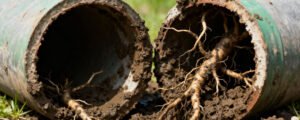
Tree root intrusion is another factor that depends on your property’s specific characteristics. Roots naturally seek out moisture, and even tiny cracks or joints in sewer lines can attract root growth. Once inside, roots can catch debris flowing through the pipe, accelerating blockages. Properties with mature trees near sewer lines may experience root-related problems regardless of how careful homeowners are about preventing drain clogs.
What Does Drain Cleaning and Repair Typically Cost?
When drain problems become more than you can handle with a plunger, understanding what professional service involves can help you make informed decisions. Costs vary depending on several factors, including the location and severity of the blockage, the accessibility of your pipes, and whether diagnostic tools like camera inspections are needed to identify the root cause.
A straightforward drain cleaning for a single fixture may be relatively affordable, while clearing a main sewer line blockage typically costs more due to the additional time and equipment required. If the problem turns out to be a damaged or collapsed pipe rather than a simple clog, repair or replacement costs will naturally be higher.
Most homeowners find that investing in professional drain cleaning when problems first appear is more cost-effective than waiting until a complete blockage occurs. Emergency service calls—especially on weekends or holidays—often carry premium rates. Additionally, water damage from a backed-up drain can lead to expenses that far exceed the cost of addressing the underlying plumbing issue.
When comparing service providers, it’s worth asking about their diagnostic approach. Companies that use sewer camera inspection technology can often pinpoint problems more accurately, which means less guesswork and more targeted solutions. This diagnostic capability can actually save money in the long run by identifying the specific issue rather than attempting generic fixes that may not address the real problem.
Simple Habits for Preventing Drain Clogs
The good news about drain problems is that many are preventable with relatively small changes to your daily routine. Building good habits now can save you from dealing with slow drains, complete blockages, and the expense of emergency service calls down the road.
Start by placing a mesh drain strainer in your kitchen sink. These inexpensive devices catch food particles before they enter your drain, making cleanup as simple as emptying the strainer into the trash. For bathroom drains, similar strainers can catch hair and prevent it from accumulating in your pipes.
Be mindful of what goes into your garbage disposal, if you have one. While disposals are designed to handle food waste, they work best with small amounts of soft food scraps. Avoid overloading the disposal, and always run cold water before, during, and after use. Cold water helps solidify any grease so the disposal can break it into smaller pieces rather than allowing it to coat your pipes in liquid form.
Consider scheduling periodic professional drain cleaning as a preventive measure rather than waiting for problems to develop. For households that cook frequently or have older plumbing, annual or bi-annual drain maintenance can help clear accumulating buildup before it becomes a serious obstruction. Some companies offer maintenance programs that make this type of preventive care more convenient and cost-effective.
Pay attention to warning signs that suggest developing problems. Slow drainage, gurgling sounds, and unpleasant odors from your drains often indicate that buildup is occurring somewhere in the system. Addressing these early symptoms is almost always easier and less expensive than dealing with a complete blockage.
When to Call a Professional: Signs You Need Professional Help
Despite your best prevention efforts, some drain problems require professional attention. Knowing when to call for help can prevent minor issues from becoming major ones and protect your home from potential water damage.
Multiple slow drains throughout your home often indicate a problem in the main sewer line rather than in individual fixture drains. If your kitchen sink, bathroom sink, and shower are all draining slowly, the issue is likely located where these lines connect to the main sewer. This type of blockage requires professional equipment to diagnose and clear.
Water backing up into other fixtures is another sign of a serious problem. If running the washing machine causes water to appear in your shower drain, or if flushing the toilet makes water rise in your bathtub, you’re likely dealing with a main line issue that needs immediate attention. Continuing to use your plumbing in this situation can lead to sewage backups and significant damage to your home.
Recurring clogs in the same location, despite your efforts to clear them, suggest either an obstruction that home remedies can’t fully address or a physical problem with the pipe itself, such as a belly (sagging section), offset joint, or root intrusion. A professional sewer camera inspection can reveal exactly what’s happening inside the pipe and help determine whether drain cleaning, pipe repair, or other interventions are needed.
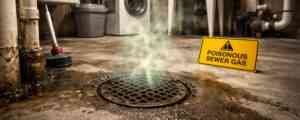
Unpleasant sewage odors inside your home should also prompt a call to a professional. These smells can indicate a variety of issues, from dried-out P-traps to cracks in your sewer line. Beyond being unpleasant, sewer gases can pose health concerns, so this type of problem is worth addressing promptly.
Get Expert Help for Your Drain and Sewer Concerns
Dealing with stubborn drain problems or concerned about the condition of your home’s plumbing? Sometimes the best approach is to have a professional assess the situation. With over a decade of specialized experience in sewer and drain services, Flotek Sewer & Drain has the tools and expertise to identify what’s really going on in your pipes. Our sewer camera inspection and line locating technology allows us to diagnose problems accurately, so you get solutions that address the actual cause—not just the symptoms.
Whether you’re dealing with a slow drain, recurring clogs, or you’d simply like a professional evaluation of your home’s drainage system, we’re here to help. Feel free to contact our team to discuss your situation and learn more about how we can assist. Serving homeowners and businesses throughout Northwest Indiana and the Chicago Southland region, we’re committed to providing reliable service and long-lasting results.